




When final inspection cannot detect a defect, it is upstream control that makes all the difference.
What is a special process?
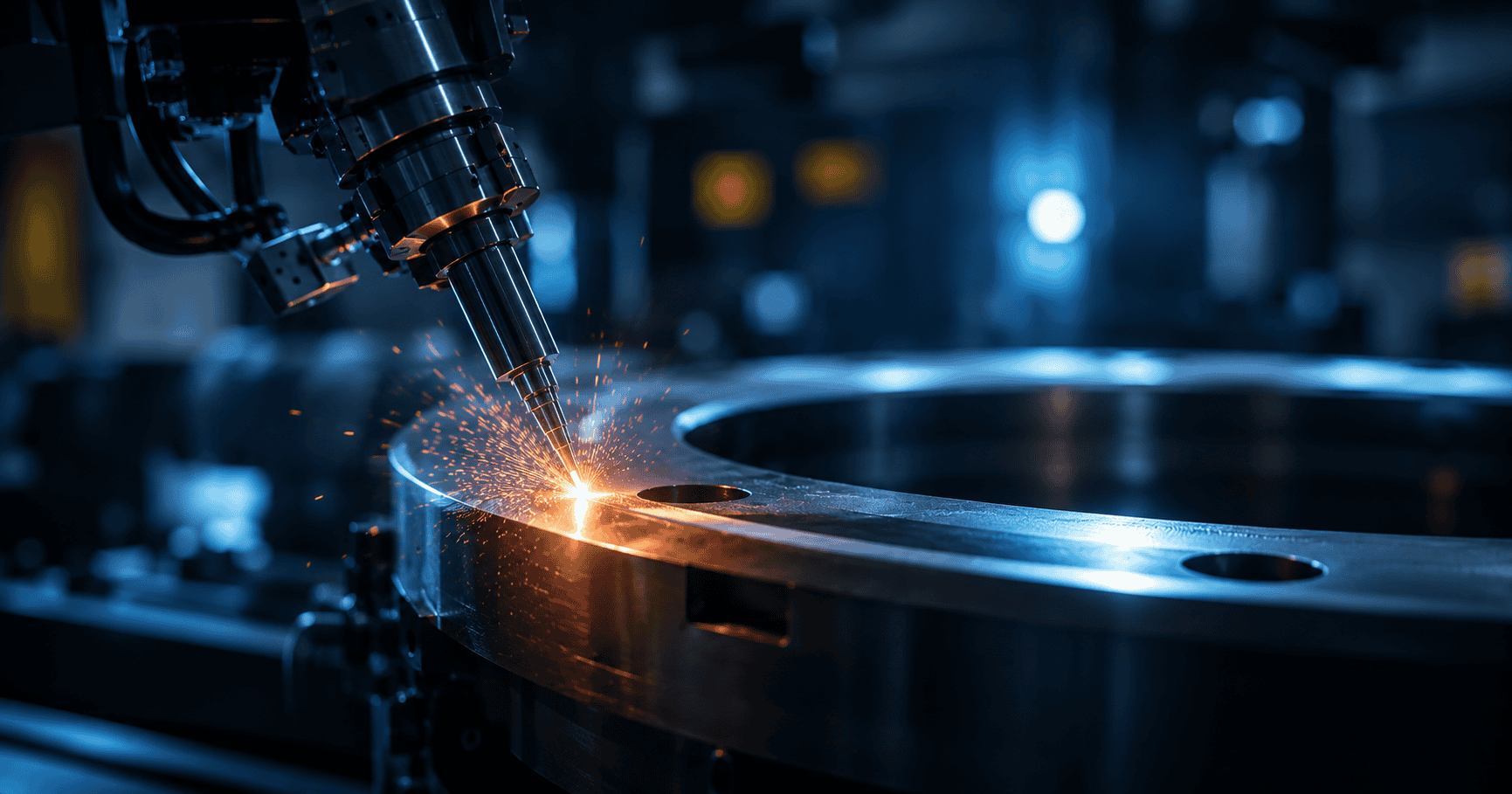
A special process is a process whose output cannot be fully verified by subsequent monitoring or measurement. In other words, once the process has been carried out, it is impossible, or economically unrealistic, to confirm that the result conforms without destroying the part.
The direct consequence: a failure in the execution of a special process can remain invisible until the product is in use. That is what makes controlling these processes so critical, and so demanding.
Examples of special processes
Welding, brazing, heat treatment, surface treatment, painting, structural bonding, thermal spraying, composite processes, non-destructive testing (NDT), sterilisation, etc.
These processes are found in every high-requirement sector: aerospace, space, nuclear, automotive, medical devices. Wherever the safety, performance and reliability of the product depend on a process result that cannot simply be “inspected at the end of the line”.
What the standards require
Controlling special processes is not good practice: it is a normative requirement. And depending on the sector, expectations build on one another.
EN 9100 / EN 9110: the aerospace standard requires validation of special processes, including the definition of acceptance criteria, qualification of equipment and personnel, use of specific methods, periodic revalidation, and retention of the associated records.
NADCAP: the aerospace industry accreditation programme managed by PRI (Performance Review Institute) sets detailed requirements for each type of process: heat treatment, welding, NDT, surface treatment, painting, composites, etc. NADCAP accreditation is often a prerequisite for major prime contractors.
AMS 2750: the reference specification for pyrometry in heat treatment. It defines requirements for temperature measuring instruments, temperature uniformity surveys (TUS), system accuracy tests (SAT) and furnace classification.
ISO 9001: clause 8.5.1 requires the organisation to validate any process whose resulting output cannot be verified by subsequent monitoring or measurement. This is the common foundation of all sector-specific standards.
And because measurement is at the heart of qualifying and monitoring special processes, our expertise in metrology and ISO 10012 naturally complements this support.
Our support
Consulting and compliance: identification and mapping of your special processes, definition of qualification and validation plans, compliance with EN 9100, NADCAP or your customers’ internal standards.
Audit: audit of your special processes, internally or at your suppliers. NADCAP preparation audits. Assessment of the maturity of your qualification, validation and continuous monitoring practices.
Operational support: help drafting qualification files, definition of critical parameters, implementation of continuous monitoring, management of process drift and process nonconformities.
Our strength: linking the system view (standards, normative requirements) with technical reality (process parameters, instrumentation, data). It is this dual expertise, built on the Q-SYNQ® methodology, that makes the difference in the field.
Related training courses
Training courses designed to give your teams the keys to controlling special processes, from the standard to the shop floor:
🎓 Special Processes training: EN 9100 requirements
One day to understand, identify and deploy control of your special processes.


Going further
- Management systems: EN 9100 (aerospace requirements)
- Our Aerospace expertise
- APQP: Advanced Product Quality Planning
- Industrial metrology (measurement and special processes)
- ISO 10012: Measurement Management Systems
Let's talk about your special processes
Qualification, validation, NADCAP preparation audit or training: we tailor our approach to your processes and your customers’ requirements.